



Paper

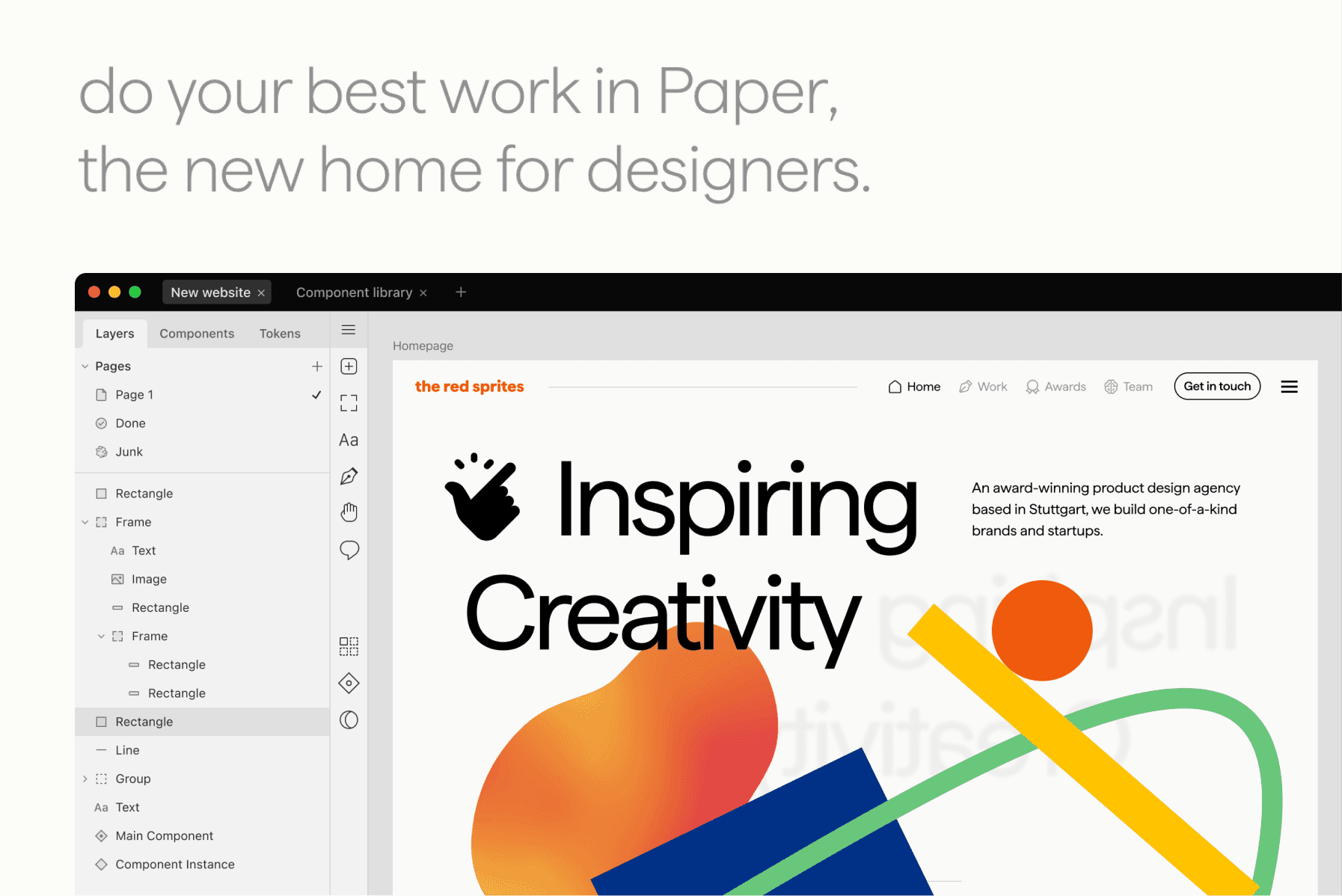
Paper is a browser-based design tool focused on the early, exploratory phase of design. It gives designers a fast, expressive canvas to think visually, experiment freely, and play with things like shaders, gradients, and motion without worrying about handoff or engineering constraints.


Get to know Paper

Who’s behind Paper?

Hey, I'm Stephen 〰️ designer, engineer, and founder of Paper. I grew up with a cracked version of Photoshop when I was 14 years old. I was making these crazy renders in Bryce, stacking bad effects on top in Photoshop, and posting everything on DeviantArt. I was also a programmer at the time, so I was doing engineering and design and art. I didn't know which direction I wanted to go necessarily, but I liked both quite a lot. My career just naturally took itself more towards the engineering side, but I've always had that design component. There's been times when I worked as a full-time designer, then more engineering, and over time that led to kind of a design engineer thing, before it even existed as a term.
I somehow ended up in ecommerce. I got this really corporate job in New York City. I was wearing a suit and tie, leather shoes, the whole thing to be a programmer. I went from living on a goat farm 〰️ literally a cottage in the back of a goat farm in Northern California 〰️ to Manhattan. Just the craziest transition ever! I loved New York, but the corporate stuff itself wasn’t for me.
Then I saw a tweet from Colm Tuite looking for a cofounder. That turned into Modulz, the code-based design tool, which we started about seven years ago. We built Radix there, which is the React component library that's very widely used now by shadcn, Vercel, and Linear. Colm was in Ireland, I was in California. We decided to just go for it and see how it worked out. We raised a round, then raised another round, built a team. Ultimately, we were acquired by WorkOS, an auth identity company, largely because of the brand and adoption Radix had built.
I worked at WorkOS for two years and ended up running product there. Really great company 〰️ I love the founder, I love the people. But I really wanted to get back into the creative space. I love talking about design, I love talking about art. I love making tools for artists. It'll be really easy for me to wake up in the morning and go to work if I build a company that's about design.
I didn't really do any market research or any of that stuff. It was just: this is what I wanna do with my life. And you attract people that are authentically interested 〰️ people can tell you're authentically interested. So I started the company in September 2024 as a solo founder. It wasn't called Paper yet. Then pretty quickly, Vlad, who was the designer on the Radix team, joined as a founding designer. Since then we’ve added a small team, a couple of contractors, raised a round, and started building seriously. Tens of thousands of designers use the app every week, and it feels like we’re tapping into something people genuinely want.


What’s Paper and what’s so cool about it?
Paper is built very intentionally around designers and the design process. One of the big things I’ve learned is that design and engineering are different jobs. Design is about things like what competitors are doing, what users are saying, and what your boss needs. In that earlier phase of design, you’re trying a lot of different things very quickly, and you don’t want constraints yet.
With Paper, we’re staying focused on designers, not trying to turn everyone into design engineers. If you want to be a design engineer, that’s great, but it’s a different job. Tools that introduce coding or responsive constraints too early can actually be harmful in that early part of the process. That focus comes directly from lessons learned building Modulz, where trying to serve designers and engineers at the same time made it easy to lose clarity about what we were actually building.
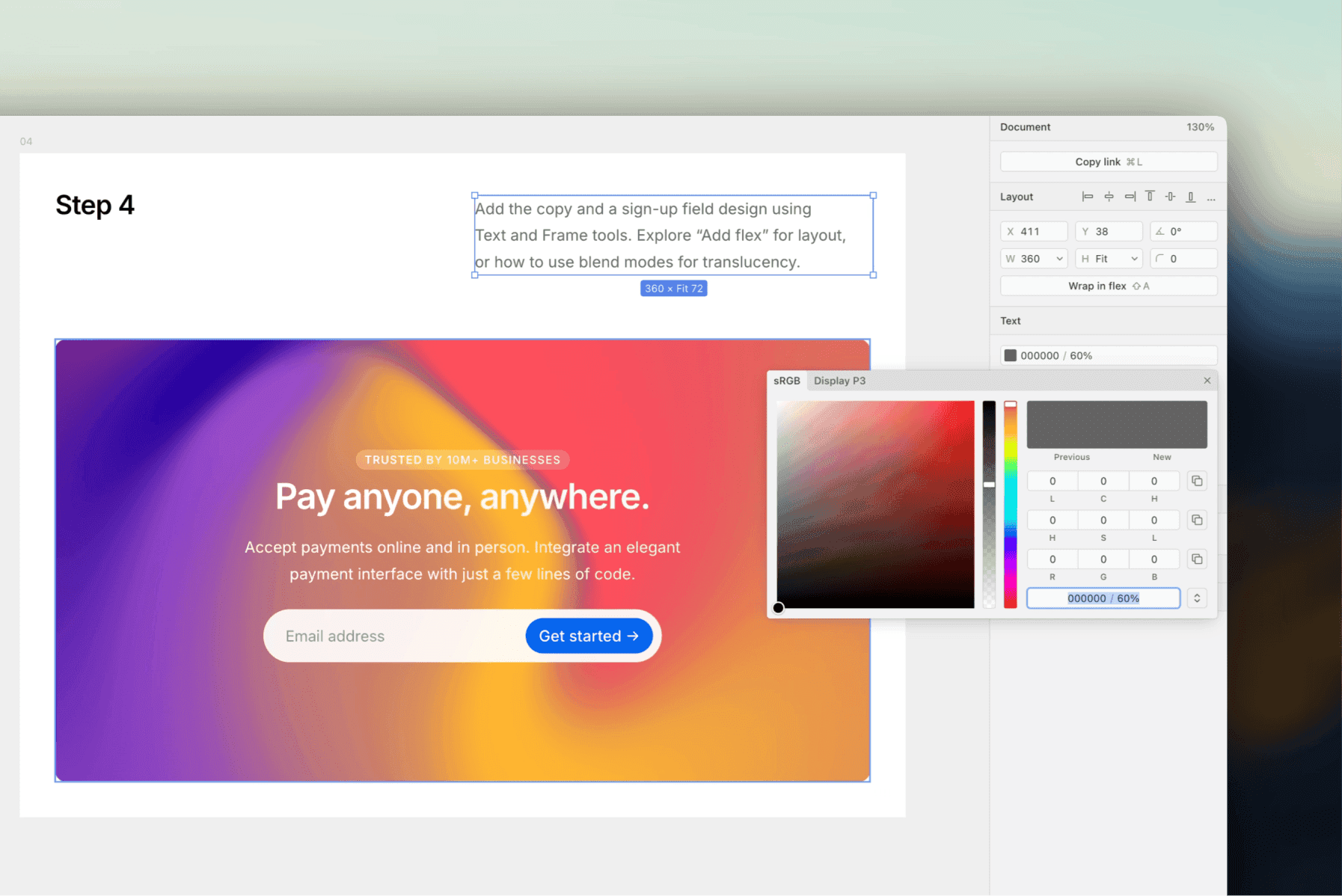
A lot has changed over the last eight years. Design systems are very different now, but many of the primitives in existing tools were designed before those changes. Things like tokens, components, color tools, and gradients still leave a lot of room for improvement. We can make things easier for you to do a great job and to stand out.
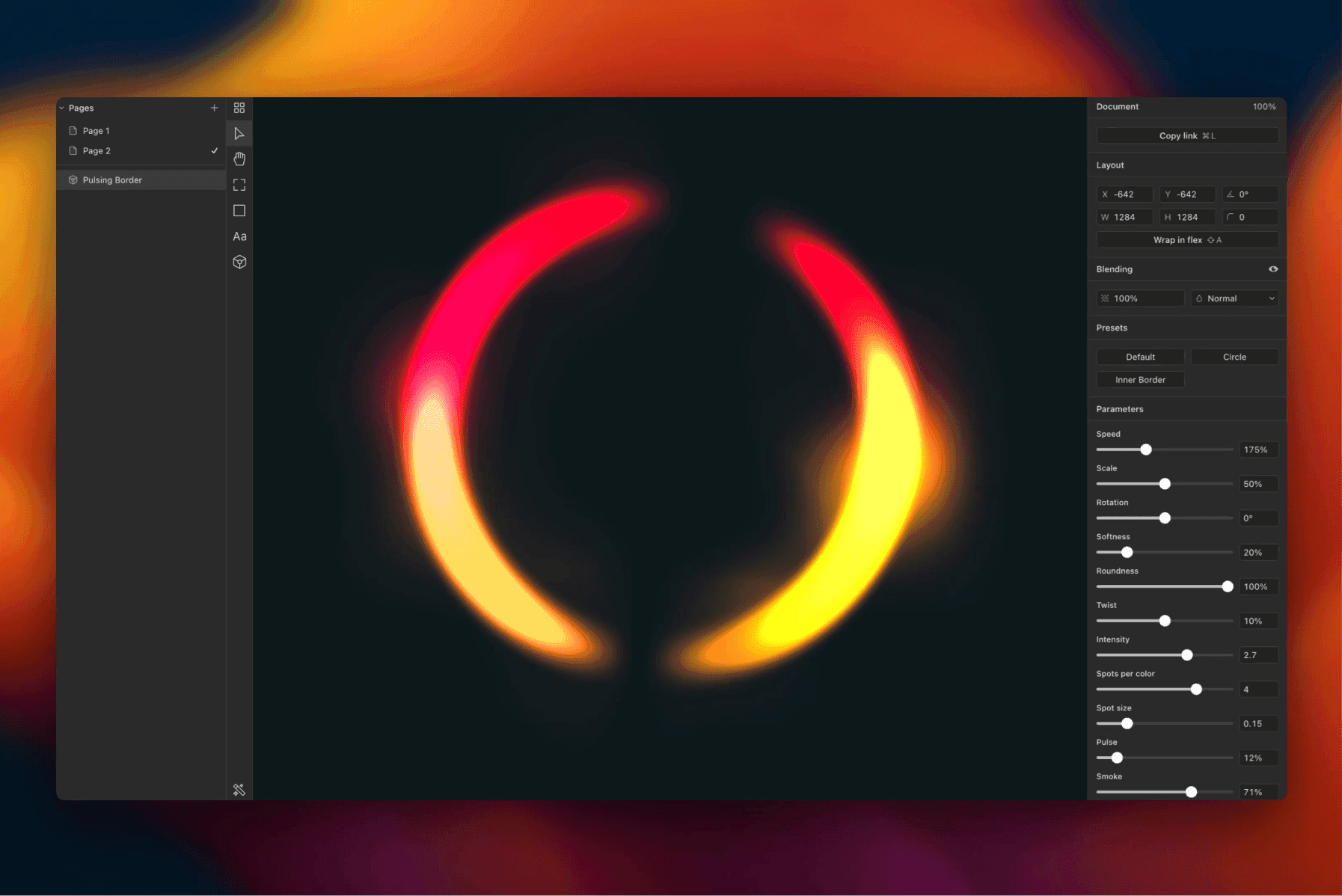
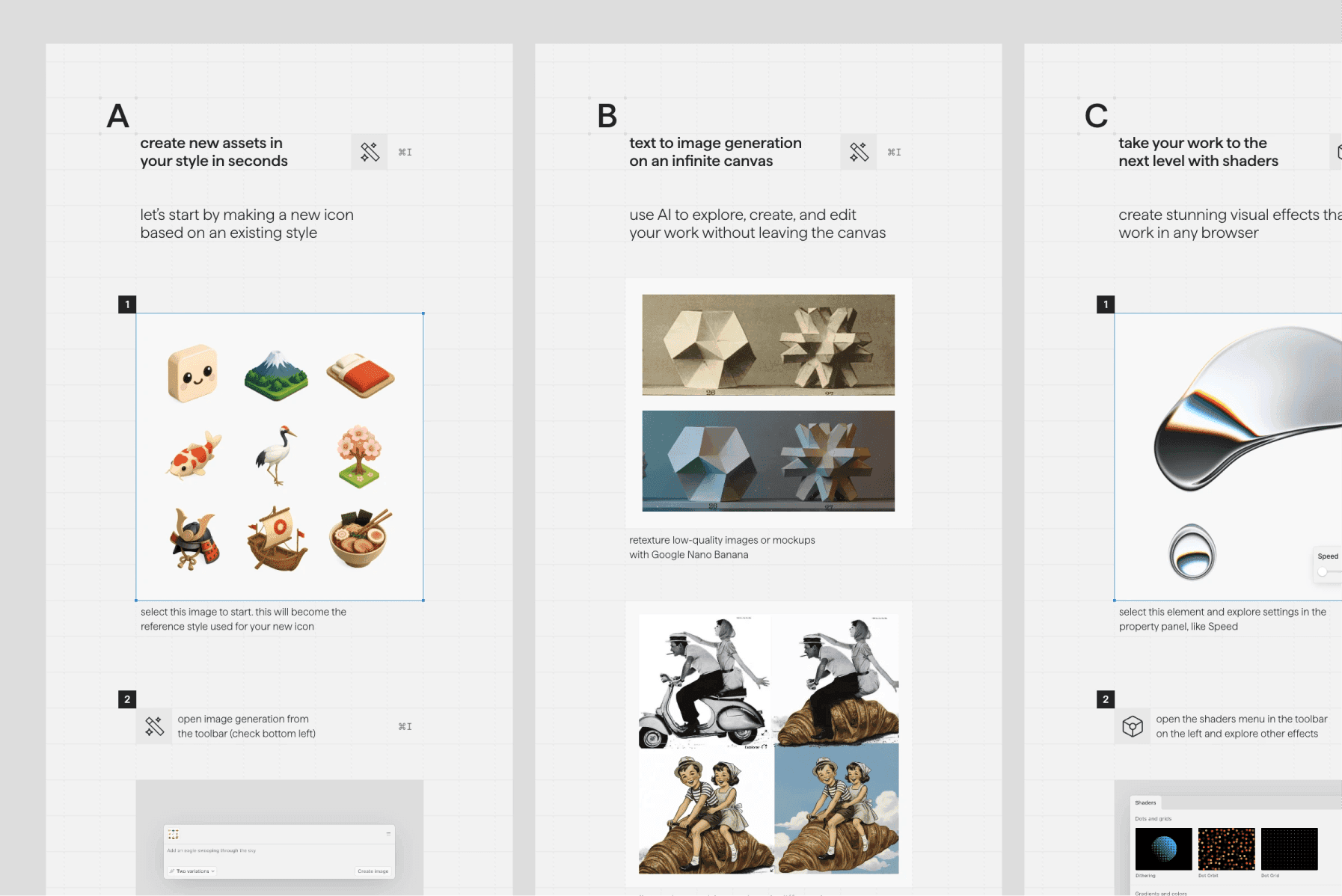
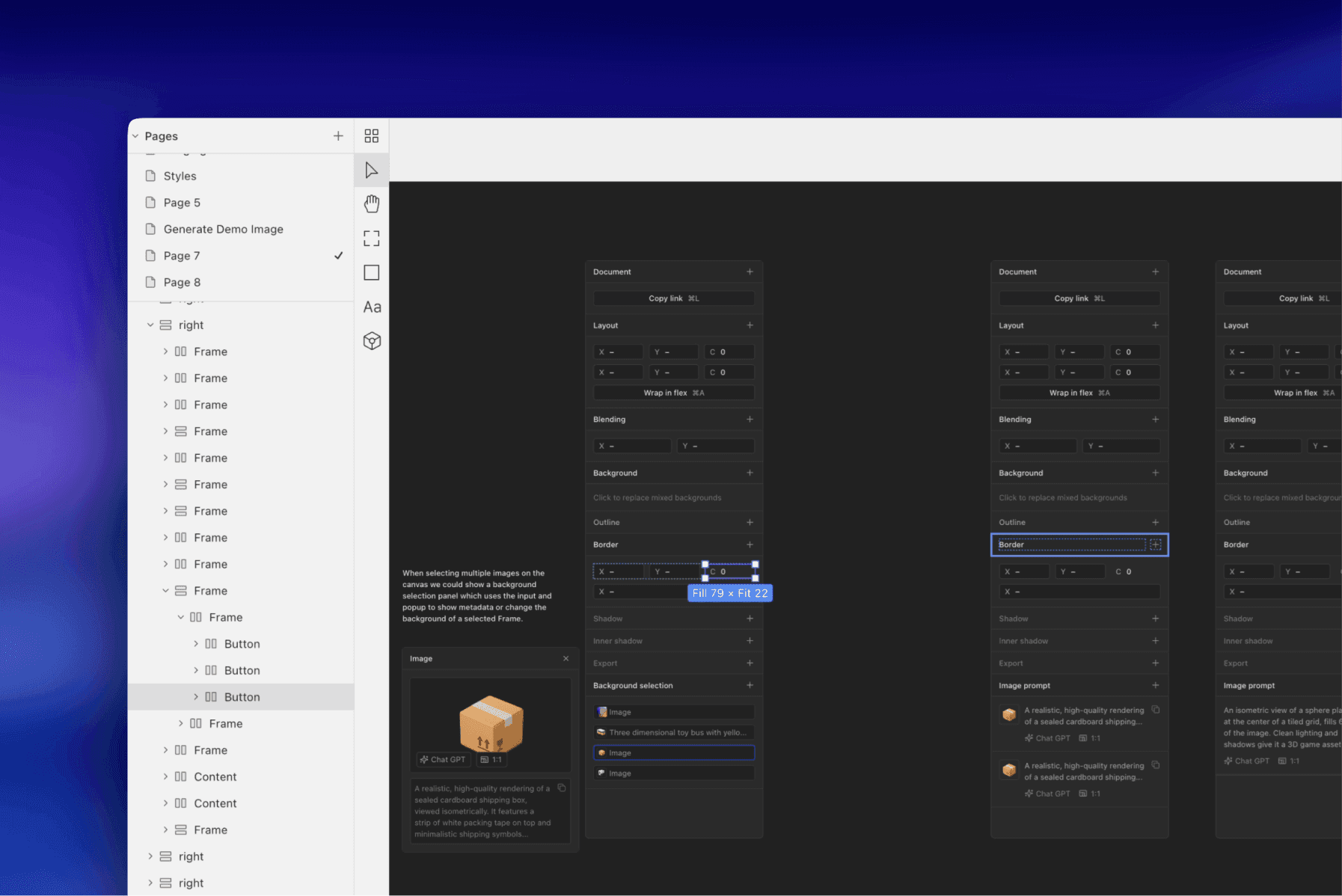
Performance is also a huge part of what makes Paper feel good. It needs to feel fast, responsive, and direct, on the level people expect from the best tools in the browser. Beyond that, we’re leaning into things like like motion and shaders, where designers often have to jump through hoops or rely on engineers. In Paper, those kinds of things live directly on the canvas, and in some cases you can copy the exact code that’s running.
We talk to designers constantly, doing design interviews every day, and that helps keep the product grounded in real workflows instead of assumptions. The focus is narrow by design 〰️ making things that work well for the specific people we’re building for, and improving the parts of the design process that still feel underserved.
Tool Stack of Paper
What’s under Paper’s hood? Which technologies were used and why did you chose them?
Paper runs in the browser, and performance is something we think about constantly. We don’t use many libraries and build most things from scratch because performance is so critical for a design tool. We try to keep an 8 millisecond frame budget, which means around 120 frames per second. Anything slower than that, we try to optimize as hard as we can. Even though we use React, we often have to bail out of React and do things manually in vanilla JavaScript. React is mostly there for structure. A lot of the time we don’t use React’s lifecycle itself because it adds a little too much overhead for those tight frame budgets.
For state management, we use MobX. It’s very helpful because it allows much more selective updates. We’ve been big MobX fans for years. On the component side, we use a mix of our own components and Base UI. It’s a very solid library.
On the backend, we use Bun. I’m a big fan. The performance has been really good, and it’s matured a lot. I’ve had basically zero problems with it. Everything I’ve tried to do has just worked. For APIs, we use Hono, which has been great for building backend services.
Our primary data store is MongoDB. If you think about a design file, it’s literally a document. It’s a big JSON tree. We load the entire file as soon as you open it, and we have almost no relationships, so Mongo fits the data model really well.
There’s also real-time multiplayer. We built our own multiplayer system, again mostly for performance reasons. It’s all based on WebSockets.
For infrastructure, we host on Fly.io and Cloudflare, using Workers and R2 for storage. Our IDE is Cursor, and we use a lot of AI while building. We recently built a new color picker that supports P3 colors and some of the newer color technologies. I honestly don’t think we could have shipped some of this without Claude. It was really hard, and Claude helped a lot.
Shaders are another big part of the product. We write them by hand. We don’t use AI for shaders because it’s not very good at that yet. We have someone on the team whose full-time job is making shaders, and she’s really good at it. The idea is that the designer, the person with taste, is the one dialing things in visually. Because everything is rendered using React, you can copy the code that’s running, paste it into something like Framer or your own app, and it will look exactly the same.
For image generation, we use Replicate as the main platform. Most models run through Replicate, and some things go directly to OpenAI. Replicate has a huge range of models, from big ones to lots of small, specialized ones. For example, for background removal, we tried around 20 different models and ended up picking a small one on Replicate because it worked best. That flexibility is what makes it a really useful platform for us.

Do you use any other tools to run the business?
We try to keep things very lean. Small team, low overhead, no heavy process unless it’s actually helping. For communication, we use Slack. Nothing fancy there, it just works and keeps everyone aligned.
For project management and planning, we rely a lot on tldraw. I use it constantly as a scratch pad. It gives you two dimensions to think in, which is hard to replace with traditional docs. Arrows are great, blocks are simple, and it’s fast. A lot of our project thinking and task ordering happens there. As Paper has gotten more capable, I’ve started doing more of this inside Paper itself to dogfood the product, but tldraw is still hard to beat for quick thinking.
We also use Linear for more structured task tracking, but overall we try not to overdo it. The goal is clarity, not process.
For email and calendars, we’re on Google Workspace. It’s boring, but reliable, and that’s kind of the point.
We do use Notion, but it’s not a core part of how we operate. It’s more of a lightweight dumping ground than a system we live in every day.


What’s your personal stack? Which apps do you and your team love?
I’m pretty boring when it comes to my personal stack. For email and calendars, I just use Google Workspace. That’s also what we use for the company, and most of my side projects end up looking the same way.
For notes and to-dos, I keep Sublime Text open all the time. I like it because it’s fast, it doesn’t add any formatting, and it does the same thing every time. If I have a huge text file, it opens instantly. I don’t have to think about it.
For meetings, I use Granola, but I don’t rely on it on its own. I still take my own notes at the same time because I don’t want to miss anything. What I’ve noticed is that Granola sometimes replaces very specific details with more general summaries, so I usually compare both afterward.
I also keep pretty much every design tool installed. I pay for Photoshop, Sketch, Figma, Illustrator, XD 〰️ all of them. Sometimes I’ll design something in a different tool just to remember how certain things work and what a good experience feels like. When we build features, like gradient tools, I usually look at how they work across different apps and pull the best parts together.
And, of course, I’ve started doing more of my own thinking directly inside Paper as well.


Anything else you’d like to share?
Early access opened recently, and we’re now in that phase where real usage and real feedback start to shape everything. When you’re building something from scratch, that moment matters a lot. Seeing designers actually use Paper, react to it, and tell us what works or doesn’t has already been incredibly valuable.
We’re still building fast, experimenting, and learning where to double down. Some ideas will evolve, some will get cut, and that’s all part of it. The constant for us is staying close to designers and keeping the focus on making their work better, faster, and more expressive.
If this resonates, check out Paper and see what we’re building. We’re very much at the beginning, and there’s a lot more to come.
Now, discover Paper for yourself
Huge thanks to Stephen for taking the time to share the story behind Paper and walking us through the thinking and building blocks behind it. If you’re curious, give it a try and spend some time experimenting on the canvas, especially playing with shaders, to see how it fits into your own design process.
Paper updates
Noteworthy updates to Paper since this story went live.
Sep 9, 2025
Paper launches in alpha
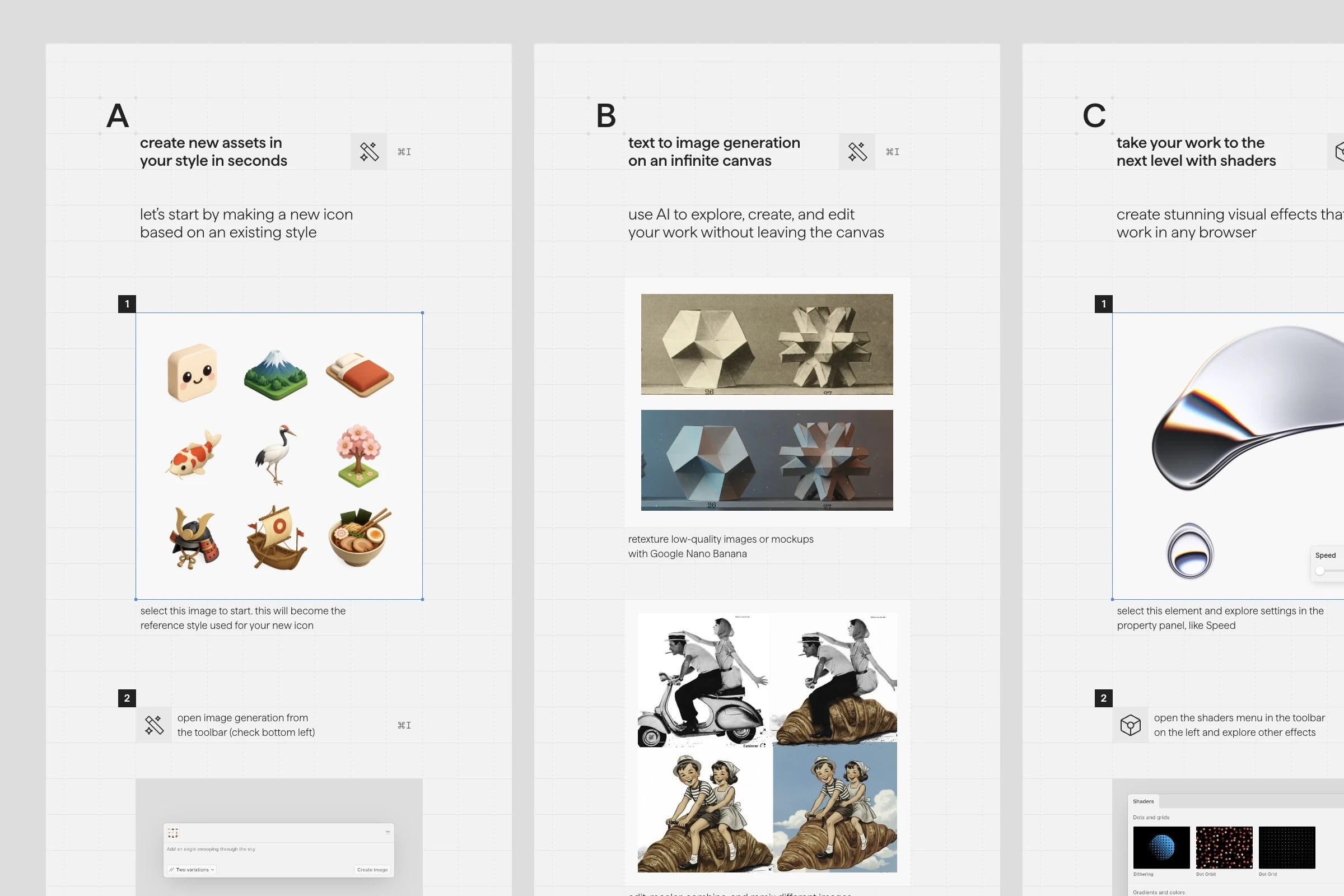
After almost a year since the inception, Paper is now open for signups in alpha with features like image generation, shaders, real flex layout, Copy as React, OKLCH color picker, vectorize, and many more.
Jan 13, 2026